Plan a small entryway around the door
Trace the door movement and your usual arrival before deciding where shoes, bags and keys should go.
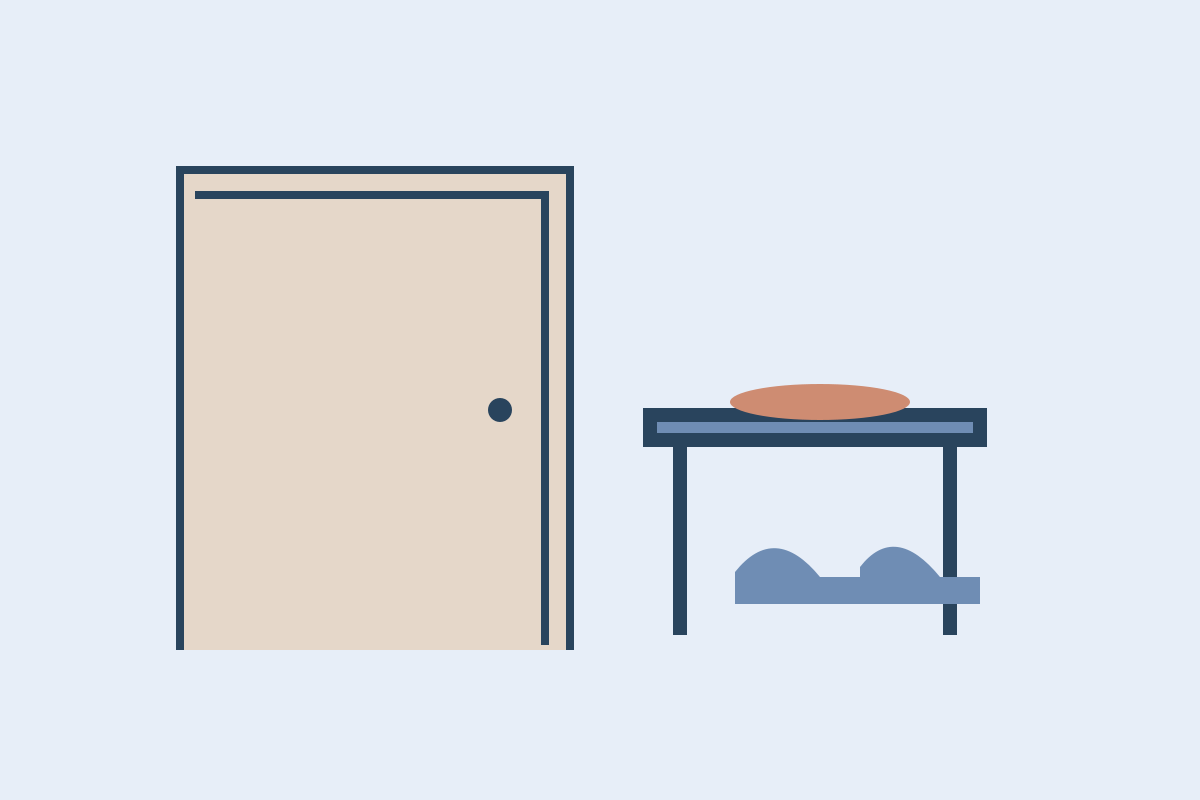
A narrow console is still too deep if the door hits it. Start a small entryway plan with the door fully open and the route into the room clear. Then decide what needs to happen when you come home.
Draw the door movement
On a rough plan, mark the hinge and the arc the door travels through. Include nearby cupboard doors and anything else that opens into the same space. You do not need a polished drawing to spot a collision.
Measure the actual area available outside those moving parts. Keep the route through the entrance clear. This sketch is a furniture planning tool, not a way to establish building or accessibility compliance.
Follow an ordinary arrival
Imagine arriving with a bag and a set of keys. Where can you put the keys while setting the bag down? Where do wet shoes go without becoming an obstacle? Write down the objects involved in your own arrival rather than copying a photograph of someone else’s hallway.
Assign a place only to the things that belong near the entrance. A tray for current keys need not become storage for every spare cable and old receipt. Give those objects a different destination.
Test the arrangement with what you own
An existing small tray can test a key location. A bag can temporarily mark its intended storage spot while you check the route, then be moved out of the way. Do not leave trial objects where someone could trip.
Use the doorway normally and check whether the plan still works with the door open. If you later choose furniture, follow its installation and anchoring instructions. The CPSC explains why furniture should be secured.
Move the proposed storage back if it competes with the route. A smaller collection of objects by the door is preferable to a place you have to squeeze through every time you enter.