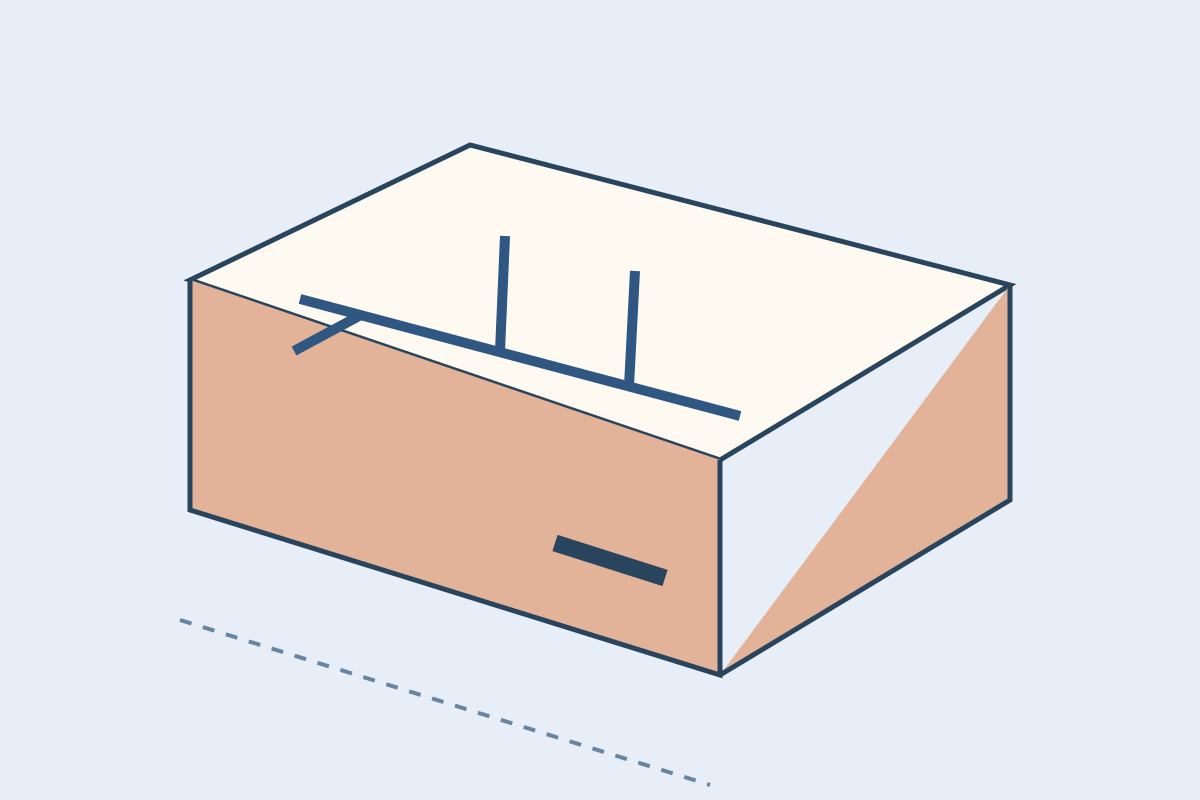
Choose storage boxes by how you reach them
Compare lids, handles and usable space against the objects you take out most often.

A lid makes an extra step every time you reach for what is inside. That can be useful for occasional storage and annoying for something you use repeatedly. Choose storage boxes by the way you reach them, then check their dimensions.
Start with the object you take out
Imagine a box for spare guest linens and another for a notebook used each evening. The linens may suit a covered container. The notebook may be easier to return to an open tray. This is a way to compare your own habits, not a claim that one type of box is always better.
Try the movement with a container you already own. Can you lift it from the shelf, open it and put it back without moving several unrelated things? If not, change the location or access method before buying a matching set.
Check both outside and inside dimensions
A box can fit the shelf while its tapered interior is too small for a folder. Compare the outside dimensions with the shelf opening and the inside dimensions with the objects. Include lid height and handles.
Allow room to grip the box and remove the lid. A container wedged tightly between two others may use the shelf width efficiently while being hard to handle. Sketch the opening as you would when measuring a drawer.
Respect the furniture underneath
A shelf’s load limit does not rise because its boxes look small. Check the furniture and container instructions for loading and installation. The CPSC’s Anchor It guidance recommends securing furniture as directed to reduce tip hazards, including using the supplied anchoring devices.
Keep frequently used items where you can reach them without climbing on furniture. Label a trial container and use it for a few ordinary days. Notice what you have to move before you can reach what you need.